



Building a Global Movement of Compassion, Dignity and Opportunity
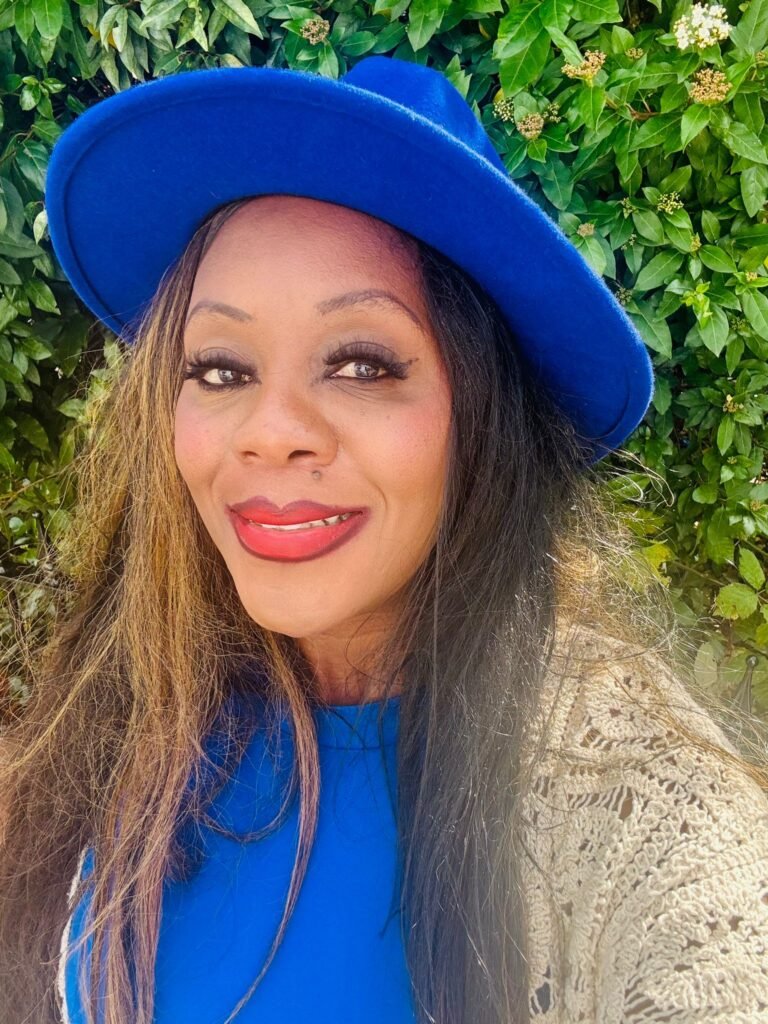
From feeding vulnerable people with the simplest of resources to building classrooms, supporting children’s education and envisioning schools, hospitals and centres of hope across nations, Amb. Dr Iris Zemza Nozizwe Mhlanga is turning compassion into infrastructure—and humanitarian service into a global movement.
For Mhlanga, humanitarianism has never been about temporary acts of kindness alone. It is about building something that lasts.
As Founder and Executive Director of the Nozizwe Mother of Nations Trust, the Zimbabwean humanitarian, philanthropist, author, peace ambassador and global advocate has built her work around one defining conviction: every human being deserves dignity, opportunity and the chance to thrive.
Founded in 2018, the Trust has grown from humble acts of assistance in Bulawayo into a humanitarian organisation whose work has reached thousands of vulnerable people. Its programmes span education, food security, healthcare access, disability inclusion, clean water, psychosocial support, shelter, sustainable livelihoods and the empowerment of women and children.
Yet for Mhlanga, this is only the beginning.
From Paying School Fees to Building Places of Learning
Education has become one of the defining pillars of the Nozizwe movement. The Trust’s commitment has progressed from helping individual children with school fees and educational necessities to strengthening the physical environments in which children learn.
Its work has included building classroom blocks, developing educational infrastructure, supporting schools and children’s homes, improving access to clean water and installing solar-energy systems at institutions serving vulnerable children.
Mhlanga’s vision extends further still. She wants communities that have historically received aid to have infrastructure of their own: schools, libraries, healthcare facilities, safe homes and sustainable community centres.
Libraries are particularly important to this vision, because education should not end when a child leaves the classroom. A library gives an entire community access to knowledge. It becomes a place where children can read, young people can study and adults can continue learning.
Ultimately, Mhlanga envisages communities where neither a child’s postcode nor their parents’ financial circumstances determines whether that child has access to books, technology, education or opportunity.
The Next Frontier: Healthcare
Healthcare is another major frontier. For years, the Trust has supported vulnerable communities through medical outreach, assistance with medication and programmes that connect people with healthcare services.
But Mhlanga’s long-term ambition goes considerably further. She envisions clinics, and eventually hospitals, capable of serving vulnerable and underserved communities—particularly people for whom poverty, disability or geography puts healthcare out of reach.
The vision is not simply to construct buildings. It is to create centres where healthcare is delivered with dignity.
Mhlanga dreams of a future in which a mother does not have to choose between buying food and seeking medical attention; a person living with a disability does not have to travel impossible distances for care; and vulnerable children can access healthcare regardless of their family’s economic circumstances.
For her, education and healthcare belong to the same humanitarian equation. A child cannot learn effectively when hungry. A family cannot escape poverty when illness consumes its resources. And a community cannot truly develop when basic healthcare remains beyond its reach.
Building Sustainability, Not Dependency
The Nozizwe philosophy increasingly centres on sustainability.
Food assistance can save someone today. Education can change tomorrow. But economic empowerment can transform generations.
That understanding has driven initiatives in poultry, agriculture, livestock, clean water and other community-based sustainability programmes. The objective is not perpetual dependence on donations, but pathways through which vulnerable communities can eventually generate food, income and opportunities for themselves.
The ultimate measure of a successful humanitarian intervention is not how many people remain dependent on an organisation. It is how many eventually no longer need it.
From Zimbabwe to a Movement Without Borders
The meaning of Nozizwe—“Mother of Nations”—has gradually proved prophetic. What began in Zimbabwe has already touched lives beyond its borders. Published accounts document humanitarian impact associated with the Trust in countries including Ghana, Malawi, Nigeria and Pakistan, alongside its extensive work in Zimbabwe.
But the next chapter is larger. Mhlanga’s vision is to deepen partnerships throughout the Southern African Development Community (SADC), including Tanzania, and to build humanitarian bridges into East Africa and Asia, including Uganda, Kenya, India and Pakistan.
The objective is not to impose a single Zimbabwean model on different countries. Every community has its own culture, priorities and challenges. Instead, the Nozizwe model seeks collaboration with trusted local organisations, community leaders, businesses, professionals and humanitarian partners who already understand the people they serve.
Mhlanga believes the greatest humanitarian movements are not built by one person travelling the world trying to solve every problem. They are built by connecting people who are already solving problems—and giving them greater capacity to succeed.
One Movement, Many Nations
The next phase of Nozizwe Mother of Nations therefore represents something considerably greater than geographical expansion: the creation of an international humanitarian network.
Across Zimbabwe and the wider SADC region, in East Africa and Asia, and eventually in other parts of the world, Mhlanga envisages partnerships capable of developing schools and libraries, expanding healthcare access, supporting children with disabilities, improving water and sanitation, feeding vulnerable communities and creating sustainable livelihood projects.
One community may need a borehole. Another may need classrooms. Another may need a library. Another may desperately need wheelchairs. Another may need maternal healthcare. Yet another may need agricultural infrastructure that allows families to feed themselves.
The intervention should follow the need—not the other way around.
An Invitation to Governments, Corporations and Global Partners
A vision of this scale cannot—and should not—belong to one woman or one organisation.
Mhlanga is therefore calling on governments, corporations, development agencies, foundations, healthcare institutions, universities, schools, international NGOs, faith communities, diaspora organisations, philanthropists and responsible businesses to become partners in the next chapter of the Nozizwe movement.
The opportunity to contribute is not limited to writing a cheque. A construction company can help build classrooms. An architect can donate expertise. A hospital can provide medical specialists or equipment. A pharmaceutical company can support medicine programmes. A technology company can equip a library or digital learning centre. An agricultural company can support sustainable farming. A logistics company can help humanitarian supplies reach remote communities. A university can offer research, volunteers or educational partnerships.
Individuals, too, can sponsor a child, provide books, donate mobility equipment, support a feeding programme or simply volunteer their skills. Everybody has something to contribute.
A Call to the Global Family of Well-Wishers
Mhlanga’s journey began with ordinary people helping other ordinary people, and that principle remains at the heart of the movement. You do not need to be wealthy to change someone’s life. You need to be willing.
The Nozizwe Mother of Nations Trust is therefore extending an invitation to well-wishers around the world:
Come and build with us.
- Help us build the next classroom.
- Help us fill the next library.
- Help us put the next child through school.
- Help us provide the next wheelchair.
- Help us drill the next borehole for clean water.
- Help us create the next sustainable community project.
- And one day, help us open the doors of hospitals and healthcare centres where vulnerable people can receive treatment with dignity.
The movement needs donors—but it also needs builders, doctors, nurses, teachers, engineers, farmers, architects, lawyers, business leaders, volunteers, mentors, storytellers and people willing to open doors. Changing the world has never been the responsibility of humanitarians alone. It belongs to all of us.
From Recognition to Responsibility
Mhlanga’s work has attracted significant international recognition. Among the independently documented honours connected with her journey is the 2024 Charitable Endeavour of the Year Award, and the Nozizwe Mother of Nations Trust has also been recognised internationally for its work with underprivileged communities.
Yet Mhlanga has consistently treated recognition as a responsibility rather than a destination. Every award increases the visibility of the people she represents. Every international platform creates another opportunity to tell their stories. Every relationship opens the possibility of another partnership—and every partnership, the possibility of another life transformed.
That is why the next chapter of her career is less about accumulating accolades and more about building institutions.
The Mother of Nations
There is extraordinary symbolism in the name her father gave her: Nozizwe, Mother of Nations. Once, it was simply the name of a young girl growing up in Bulawayo. Today, it has become a humanitarian philosophy that stretches beyond national borders.
It represents a child sitting in a classroom; a family receiving food; a person with a disability receiving mobility assistance; a community accessing clean water; a young person discovering a book in a library. And if Mhlanga’s next great ambition is realised, it will one day represent patients walking through the doors of hospitals built because people from different countries decided to work together.
Her story shows that humanitarian leadership does not begin with enormous resources. It begins with recognising human need—and refusing to walk away from it.
The first chapter of Nozizwe Mother of Nations was about helping. The next is about building:
Building schools. Building libraries. Building healthcare. Building livelihoods. Building partnerships. Building dignity.
Above all, it is about building a movement capable of crossing borders while remaining rooted in one fundamental truth:
Humanity is one family, and no nation becomes poorer by helping another rise.
Join the Movement
The Nozizwe Mother of Nations vision now calls on individuals and institutions across Africa, Asia and the global diaspora to become part of its next chapter.
Whether you can contribute expertise, equipment, educational materials, medical resources, construction support, technology, funding, mentorship, professional services or simply your time, there is a place for you in this movement.
One person started the journey. Thousands became part of the story. Now the invitation goes out to the world.
Come. Let us build the next chapter together.
About the Author